
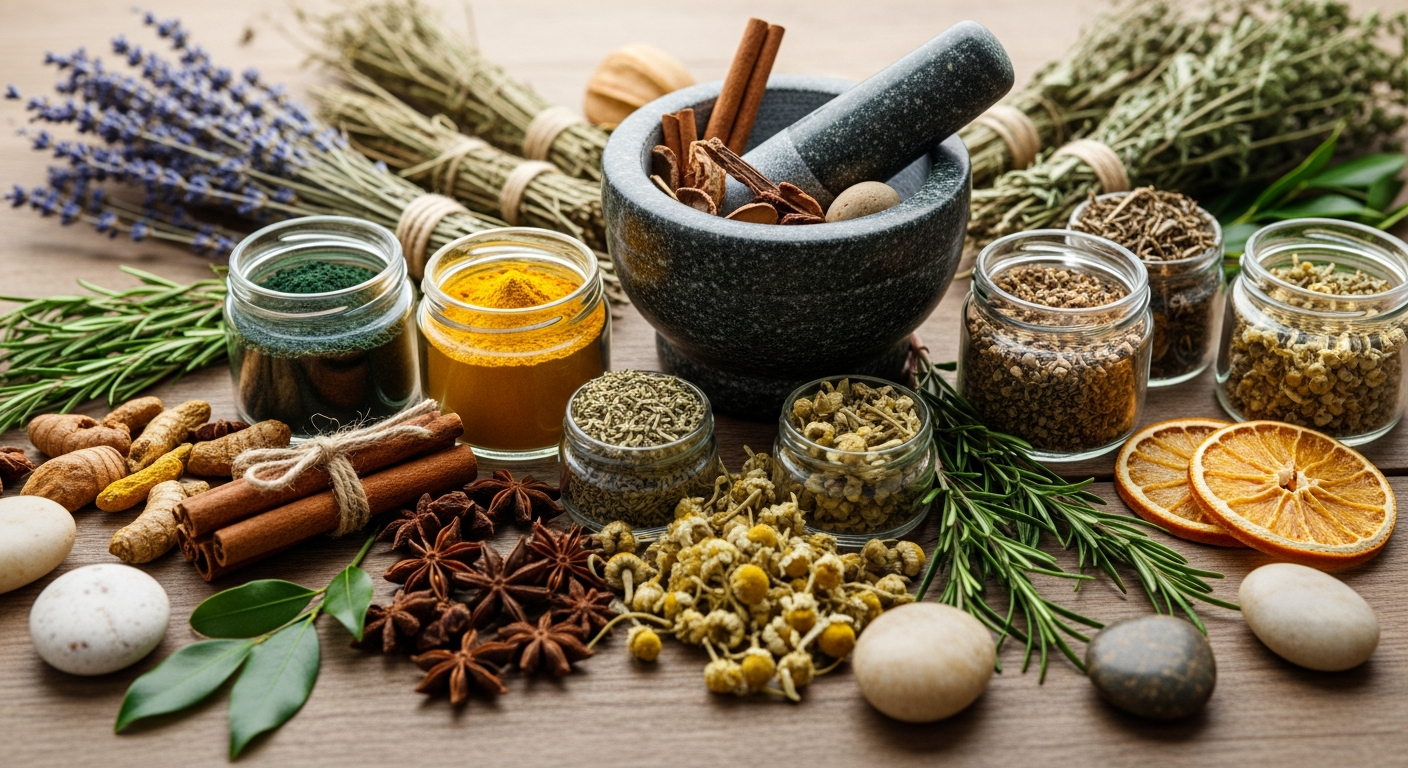
Herbal supplements represent humanity's oldest form of medicine, with evidence of herbal use dating back over 5,000 years. These plant-based remedies have been used across all cultures and civilizations to support health, treat ailments, and promote longevity. Today, roughly 25-30% of pharmaceutical drugs are derived from plants, yet many people are rediscovering the power of whole herbal preparations. Unlike isolated pharmaceutical compounds, herbal supplements contain complex combinations of naturally occurring compounds that work synergistically to support health. This comprehensive guide explores the world of herbal supplements and how to use them effectively and safely.
What Are Herbal Supplements?
Herbal supplements, also called botanical supplements or phytotherapy, are products made from plants or plant parts including leaves, stems, roots, seeds, berries, and flowers. Unlike pharmaceutical drugs that typically contain a single isolated active ingredient, herbal supplements contain the whole plant or specific plant parts which naturally contain multiple compounds. These compounds work together through mechanisms called synergy to produce therapeutic effects. For example, turmeric contains curcumin (the most studied compound) but also contains other compounds that enhance curcumin's absorption and effect. The whole herb is often more effective than isolated constituents alone. This holistic approach represents a fundamental philosophical difference from conventional pharmaceutical development.
Popular Herbal Supplements and Their Benefits
Ginger has been used for thousands of years to support digestive health, reduce nausea, and support healthy inflammatory response. Modern research confirms these traditional uses, with studies showing ginger as effective as certain anti-nausea medications and helpful for exercise-induced muscle soreness. Turmeric and its active compound curcumin support joint health and healthy inflammatory response. Research shows turmeric rivals certain anti-inflammatory medications in effectiveness without the side effects. Echinacea supports immune function and may reduce cold duration and severity when taken at the first sign of illness. Garlic supports cardiovascular health, immune function, and has antimicrobial properties. Ginseng has been shown to support energy, endurance, and cognitive function. Ashwagandha is an adaptogenic herb that helps the body respond to stress more effectively. Milk thistle supports liver health and detoxification. St. John's Wort has been studied extensively for supporting mood and emotional well-being. Each of these herbs has substantial traditional use supporting modern scientific investigation.
Understanding Adaptogens
Adaptogens are a special class of herbs that help the body adapt to stress, normalize bodily functions, and improve resilience. These herbs have been used in traditional Chinese medicine and Ayurvedic medicine for centuries. Common adaptogens include ginseng, ashwagandha, rhodiola, holy basil, and cordyceps. These herbs don't have a specific action but rather help the body maintain balance and respond appropriately to various stressors. They typically have minimal side effects and can be taken over extended periods. Adaptogens work by supporting adrenal function, regulating cortisol levels, and supporting the nervous system's ability to handle stress effectively. The concept of adaptogens has gained increasing scientific validation, with research confirming their ability to improve stress resilience and overall health outcomes.
Quality and Safety Considerations
When choosing herbal supplements, quality matters significantly. Look for products that have been third-party tested by organizations like NSF International or USP. These organizations verify that products contain the labeled ingredients in the stated amounts and are free from harmful contaminants. The term "standardized extract" indicates that the product contains a guaranteed level of active compounds. This ensures consistency from batch to batch. Be aware that herbal supplements are not regulated by the FDA in the same way pharmaceutical drugs are, so quality can vary widely between manufacturers. Choose reputable companies with transparent sourcing and testing practices. Reading labels carefully and understanding manufacturer credentials is essential for ensuring you're getting what you pay for.
Potential Interactions and Considerations
While herbal supplements are generally safe when used appropriately, they can interact with pharmaceutical medications. For example, St. John's Wort can reduce the effectiveness of certain medications including birth control pills. Ginkgo biloba has mild blood-thinning effects and should not be combined with blood-thinning medications without medical supervision. Some herbs can increase sensitivity to sunlight. It's crucial to discuss herbal supplementation with your healthcare provider, especially if you take medications or have health conditions. Pregnant and nursing women should be particularly cautious, as some herbs may not be safe during these sensitive periods. Children may require different dosing or may not be appropriate candidates for certain herbs. Always prioritize safety and informed decision-making.
Forms of Herbal Supplements
Herbal supplements come in various forms, each with different concentrations and absorption characteristics. Dried herbs and teas represent whole plant material, offering the full spectrum of compounds in lower concentrations. Tinctures are concentrated alcohol extracts with high bioavailability. Extracts are concentrated forms that remove water but retain active compounds. Capsules and tablets offer convenient standardized dosing. Powders can be mixed into foods or beverages. Each form has advantages depending on your preference, absorption needs, and health goals. Some people prefer the ritual and customization of teas, while others value the convenience and standardization of capsules. Understanding your personal preferences and health needs will guide the best choice.
Using Herbs Effectively
For herbal supplements to be effective, consistency and proper dosing are essential. Most herbs require 2-4 weeks of consistent use before benefits become apparent, so patience is important. Follow dosing recommendations on product labels or from qualified practitioners. Some herbs are best taken with food, while others work better on an empty stomach. Many herbal supplements work synergistically with other herbs, creating powerful combinations. A qualified herbalist can recommend appropriate combinations for your specific health goals. Seasonal variation in dosing and herb selection can also enhance effectiveness, as some herbs are particularly appropriate during certain times of year. Building long-term relationships with quality supplement providers ensures consistent quality and appropriateness for your evolving health needs.
The Future of Herbal Medicine
Modern scientific research is increasingly validating traditional herbal medicine. Universities worldwide are conducting rigorous studies on herbal supplements, confirming effectiveness for numerous health applications. This integration of traditional knowledge with modern science represents an exciting frontier in healthcare. As interest in natural medicine grows and research accumulates, herbal supplements will likely play an increasingly important role in integrative healthcare approaches. The combination of time-tested herbal wisdom and modern scientific validation offers a powerful path to health. We're witnessing a renaissance of herbal medicine, where ancient knowledge and contemporary science work together to optimize human health and wellness.
Conclusion
Herbal supplements represent a rich tradition of plant-based healing combined with modern scientific validation. Whether you're seeking to support immune function, reduce stress, improve digestion, or address specific health concerns, there's likely an herbal supplement with centuries of traditional use and growing scientific support. Remember to choose quality products, use them consistently, discuss with your healthcare provider, and be patient as your body responds to these powerful plant medicines. Nature's pharmacy offers remarkable tools for supporting health and wellness when used thoughtfully and knowledgeably. Start your herbal journey today and discover the transformative potential of plant-based wellness.